Thermal Holidays in Autumn and Winter: Why It Is the Best Season in Kütahya
Snow outside, 40°C thermal water in your room. Why a winter thermal holiday is better, what is open and closed, how to plan New Year's Eve and how the long-stay offer works. A seasonal guide to Yoncalı, Kütahya.
Why the Cold Months Are the True Season for Thermal Holidays
A thermal holiday can be taken at any time of year, but the months in which the experience is felt most intensely are autumn and winter. The reason is simple: the colder it is outside, the greater the pleasure of stepping into hot water. The mineral-rich water from the Yoncalı spring arrives at around 40°C in summer too, yet on a cool Kütahya autumn evening, or while snow is falling, that warmth takes on an entirely different meaning. Cold makes the muscles tense; hot water releases that tension quickly, and the sense of relief reaches a level that summer simply cannot match. This guide explains why autumn and winter suit a thermal holiday best, what is open at the hotel in the cold months, how to plan New Year's Eve, and the offer that applies to longer stays.
Watching the Snow From the Pool in Your Room
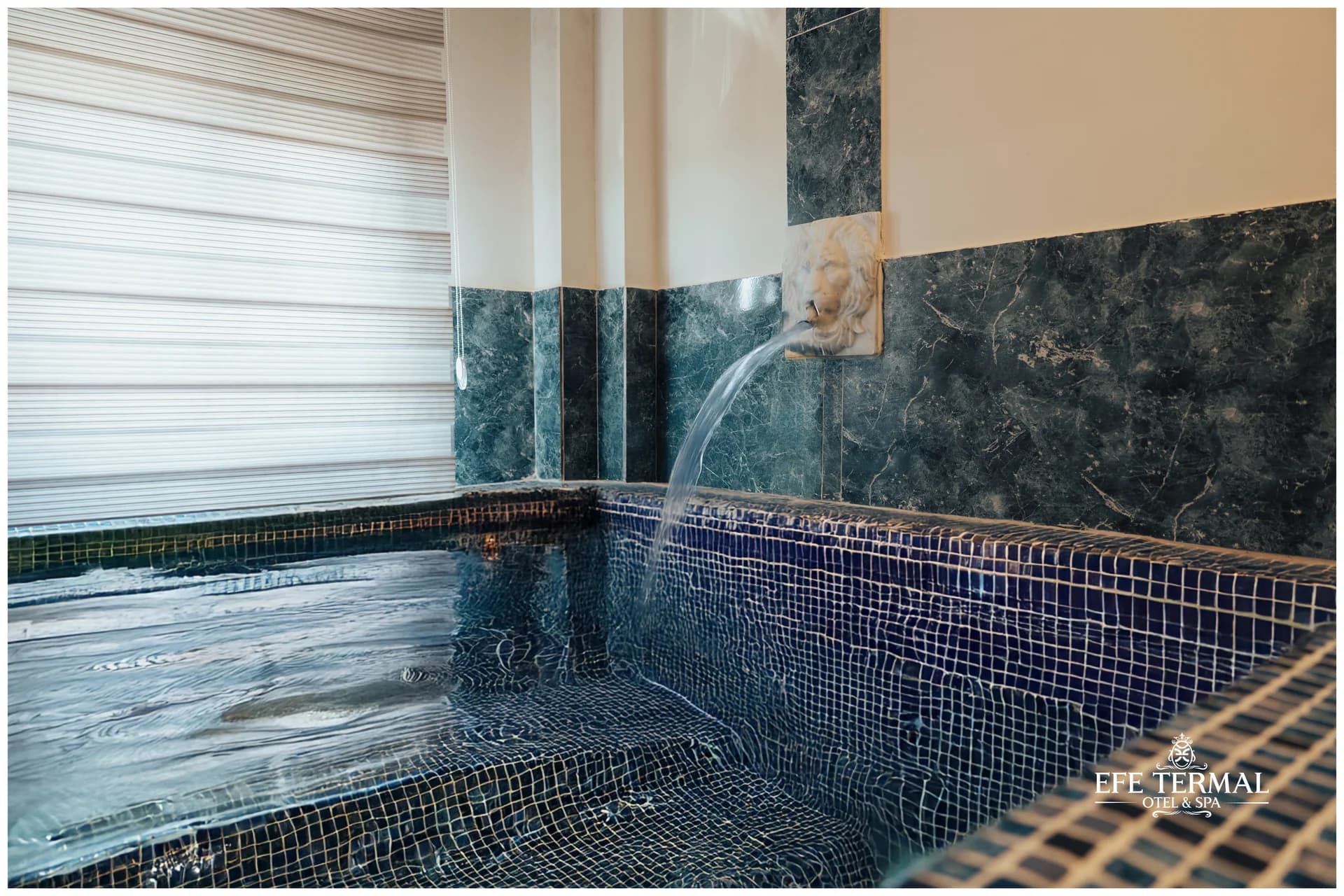
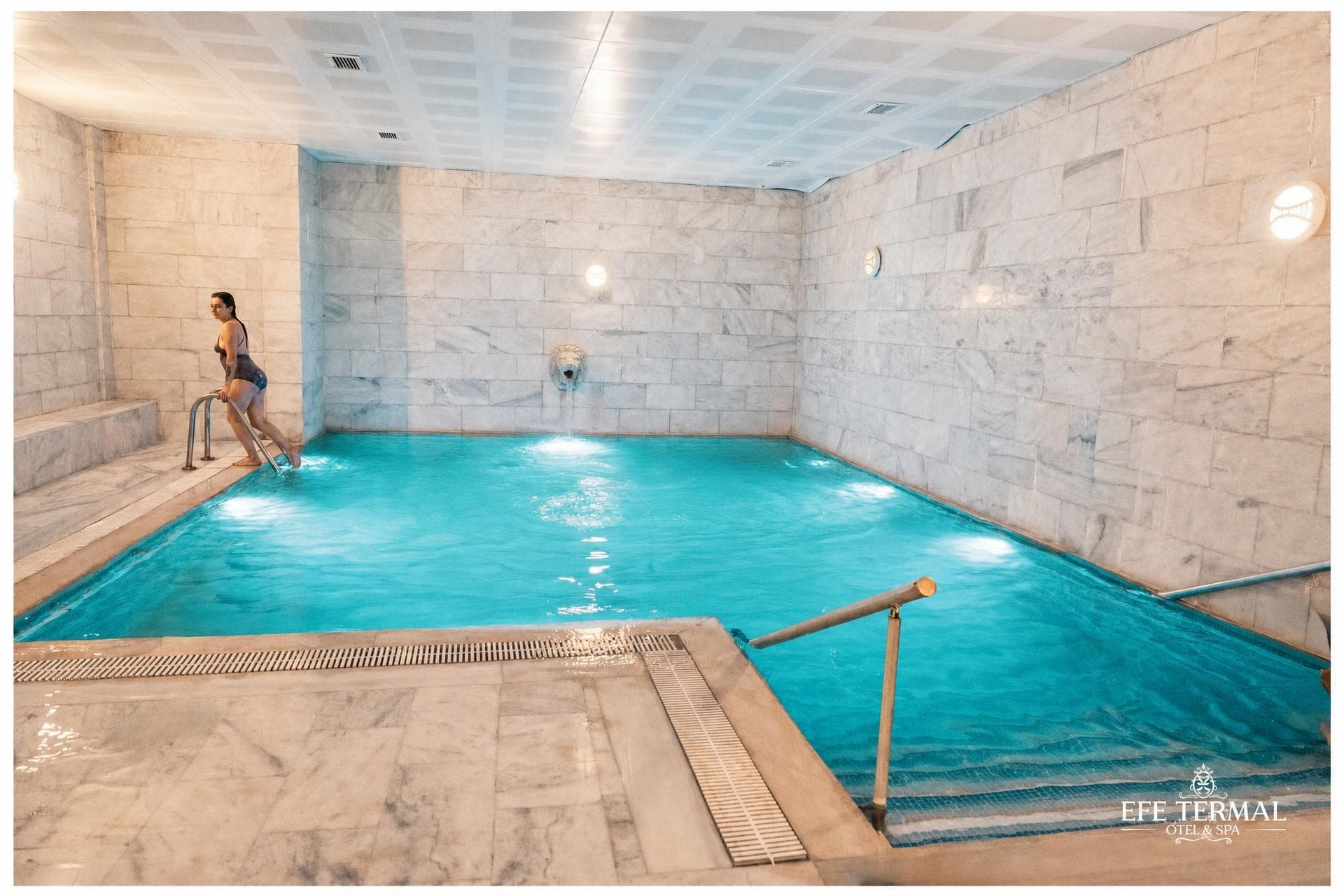
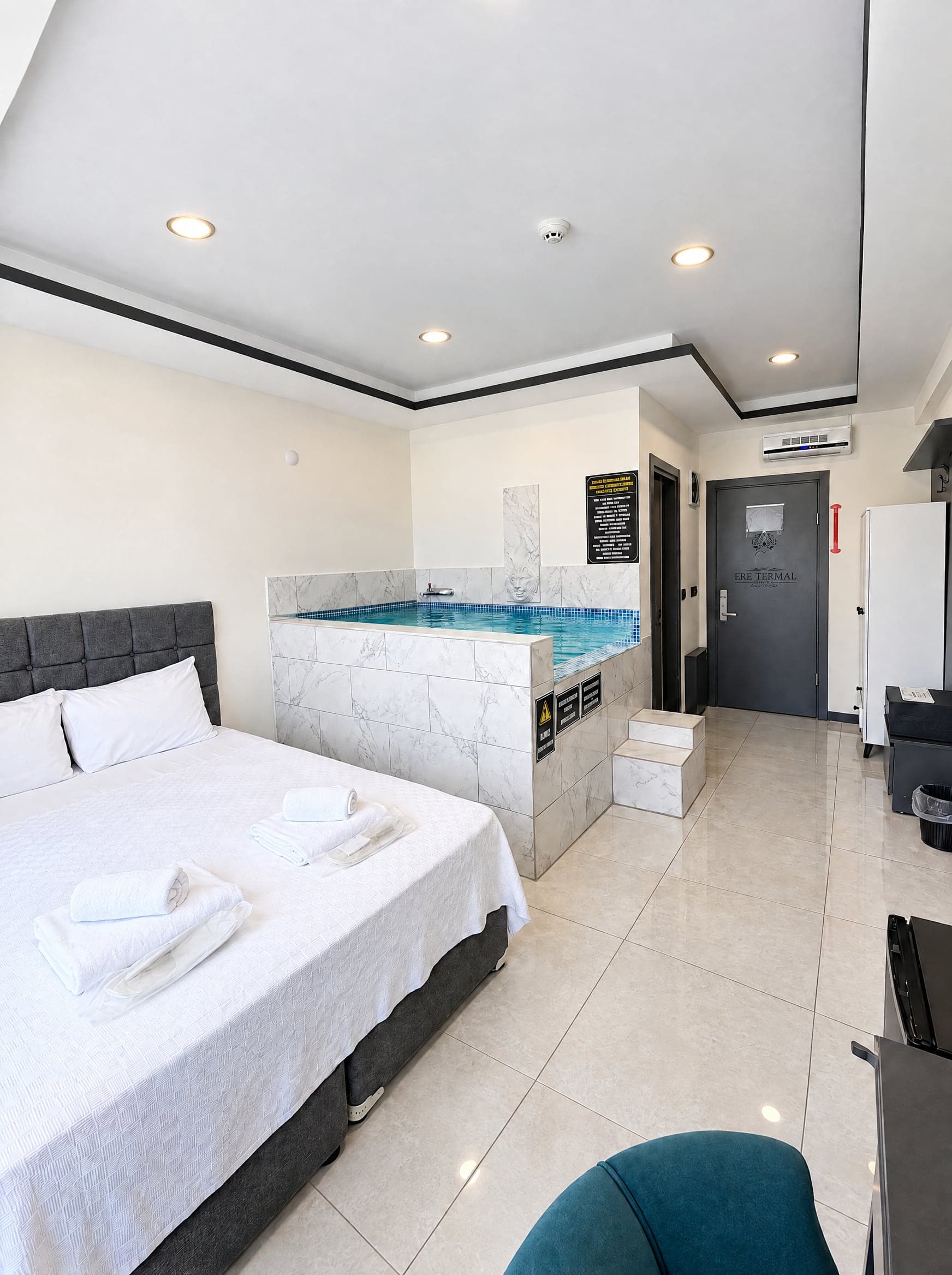
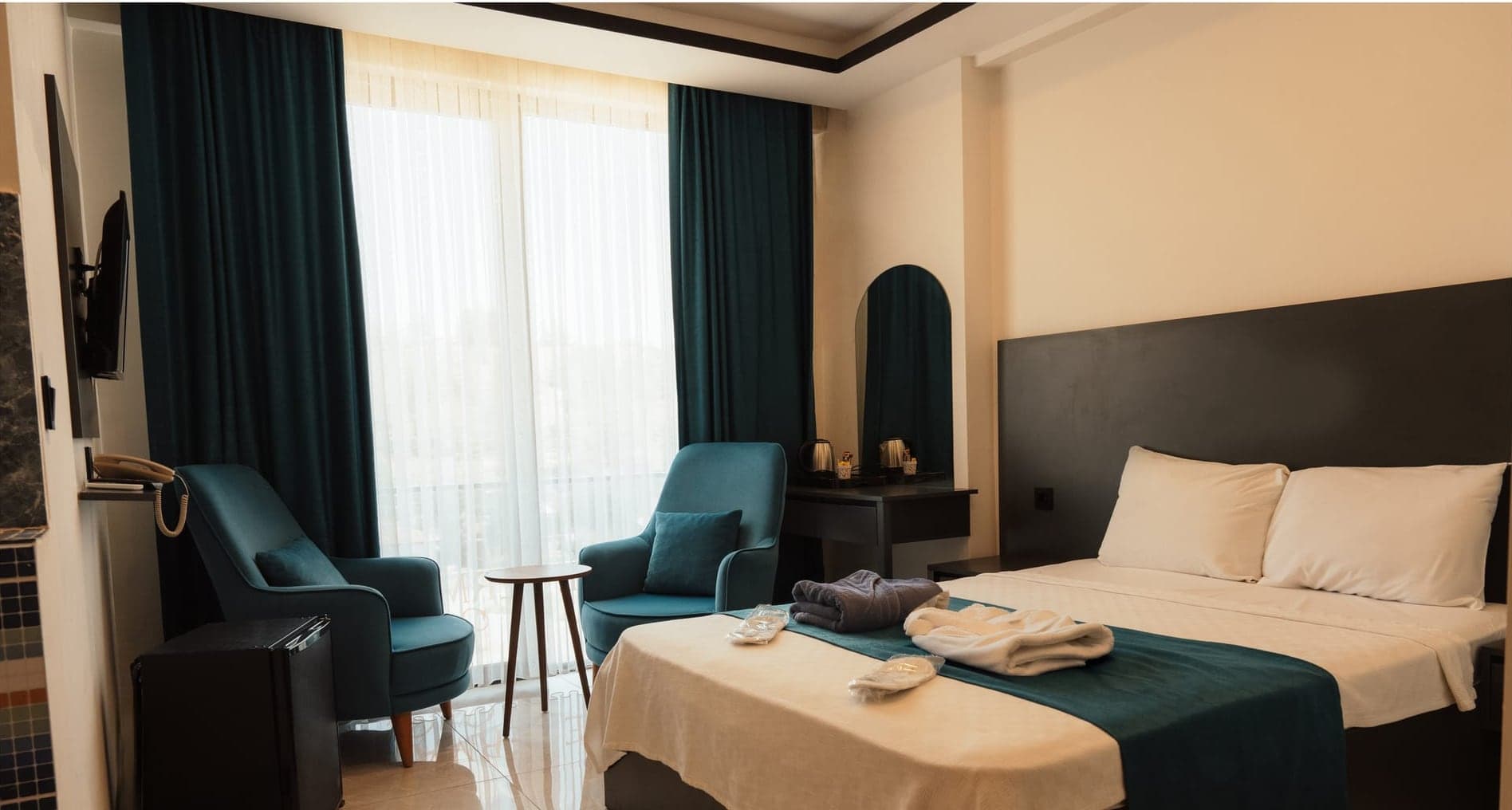
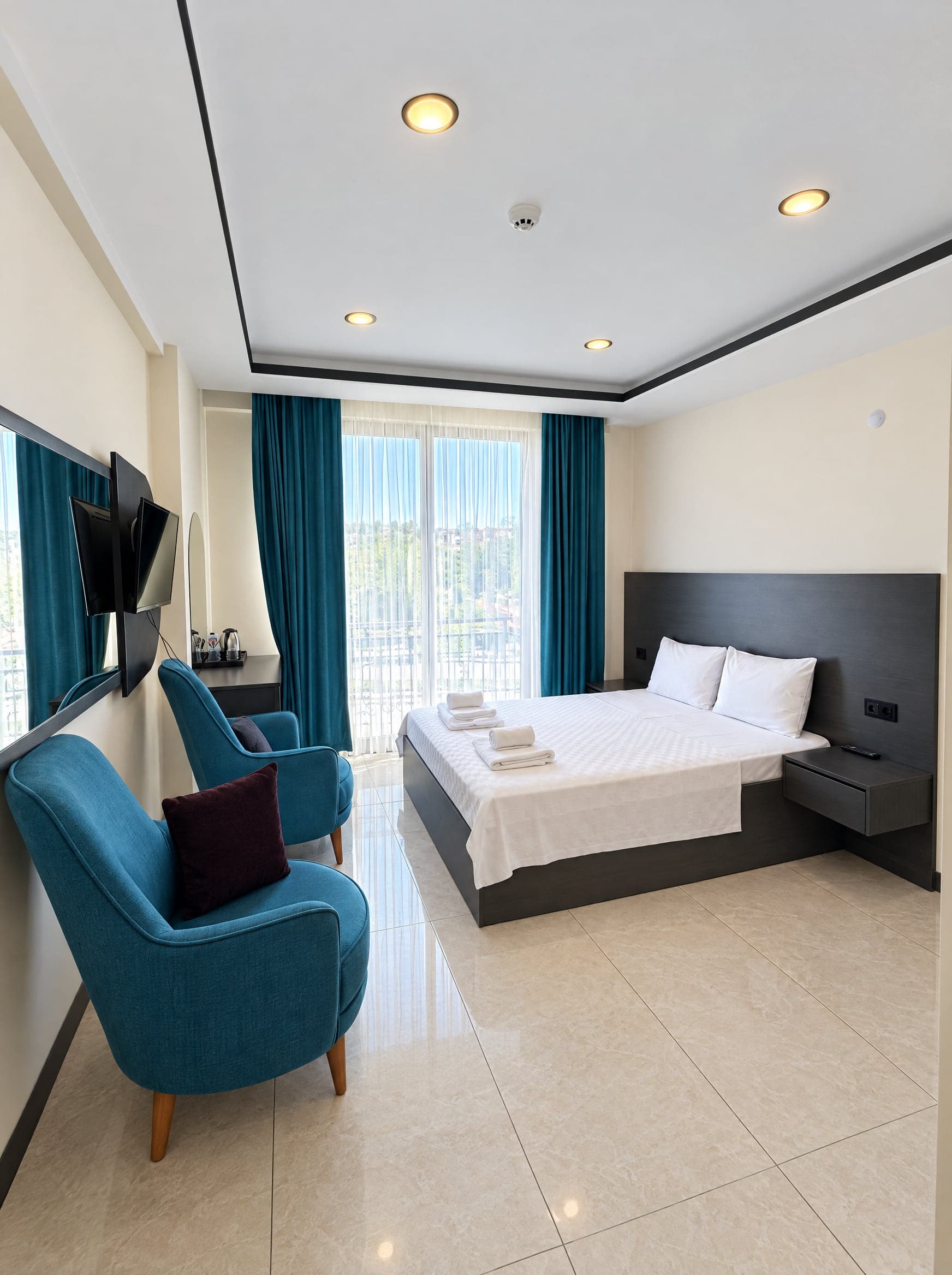
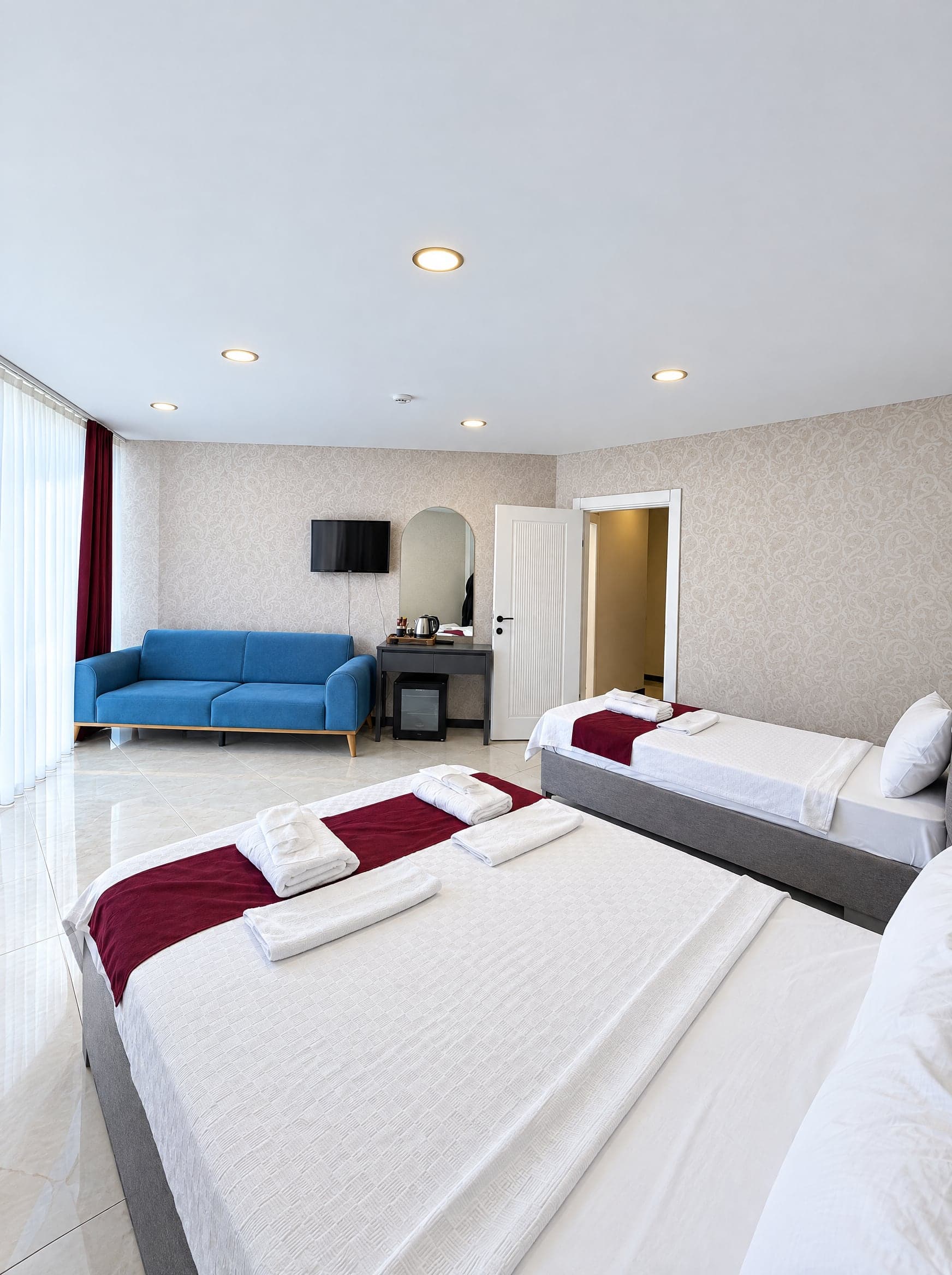
For most of our guests the finest moment of a winter thermal holiday is the same one: being in hot water while snow or rain falls outside. At Efe Termal, all four room types — Suite, Deluxe Suite, King Suite and Family Suite — have a private in-room thermal pool fed directly from the spring. That means no walking down a cold corridor to reach a shared pool; you step into the water the moment you wake, after dinner or at midnight, without leaving your room. The contrast between the steam rising from the water and the cold view beyond the window is what sets a winter thermal holiday apart from a summer one. Pools are drained, cleaned and refilled with fresh thermal water after every departure. The shared indoor thermal pool, traditional Turkish hammam, sauna and salt room are also included in your stay.
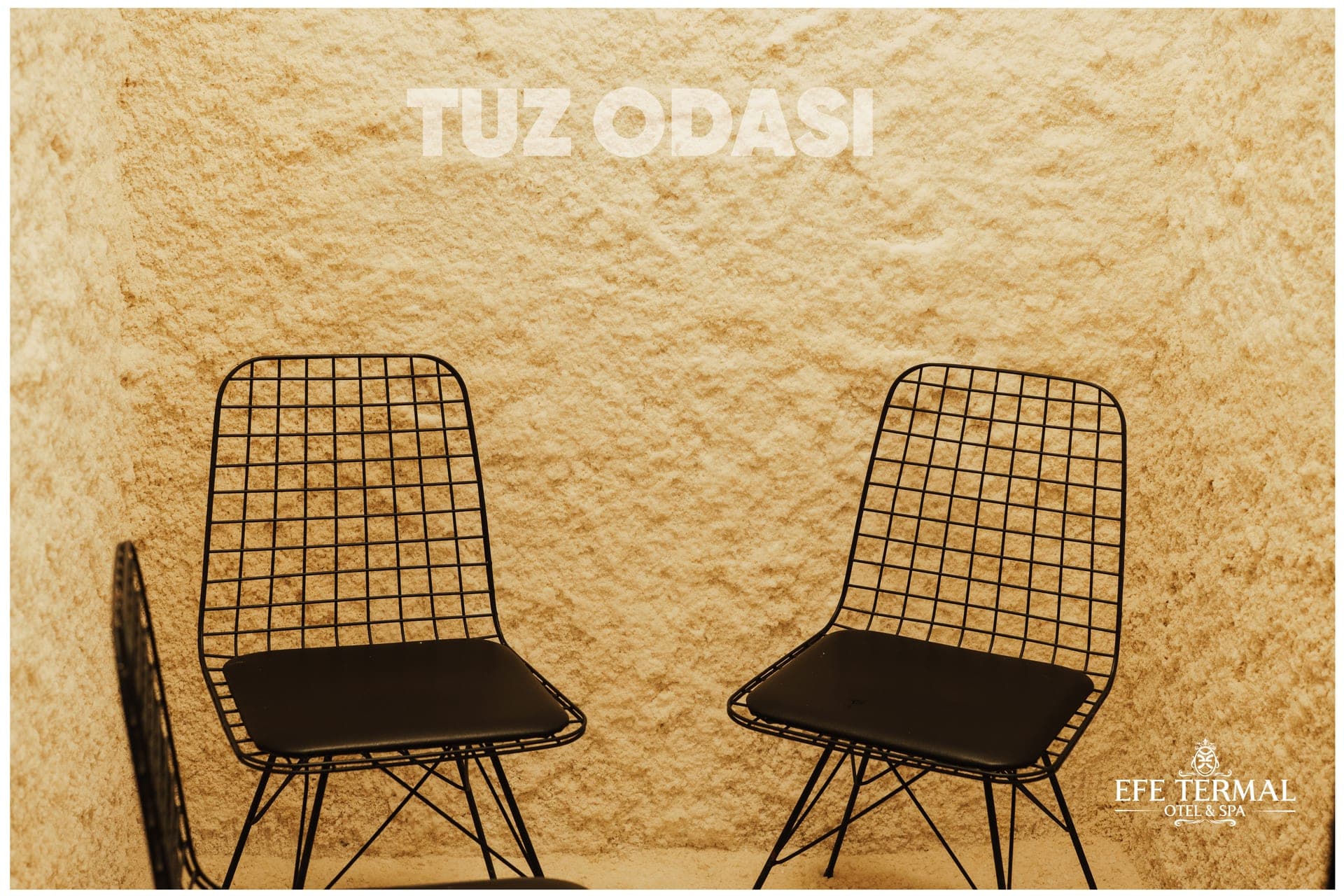
Indoor thermal pool, traditional hammam and salt room — open all winter and included in your stay
Muscle and Joint Complaints Worsen in Winter: the Right Time for a Thermal Cure
Rheumatic pain, stiff joints and muscle tension are felt more often in cold weather. That is why autumn and winter have traditionally been regarded as the most suitable period for a cure-oriented thermal stay. The mineral water of Yoncalı has been used for centuries for muscle and joint complaints, circulation problems and general fatigue. Its effect builds not in a single session but through regular use over several days, which is why we suggest at least three nights — ideally longer — for guests who come with a cure in mind. Short sessions spread through the day are more beneficial than one long soak. If you have a cardiovascular condition, blood-pressure problems or any chronic illness, or if you are pregnant, please consult your doctor before using thermal water.
What Is Open in Winter, and What Is Not?
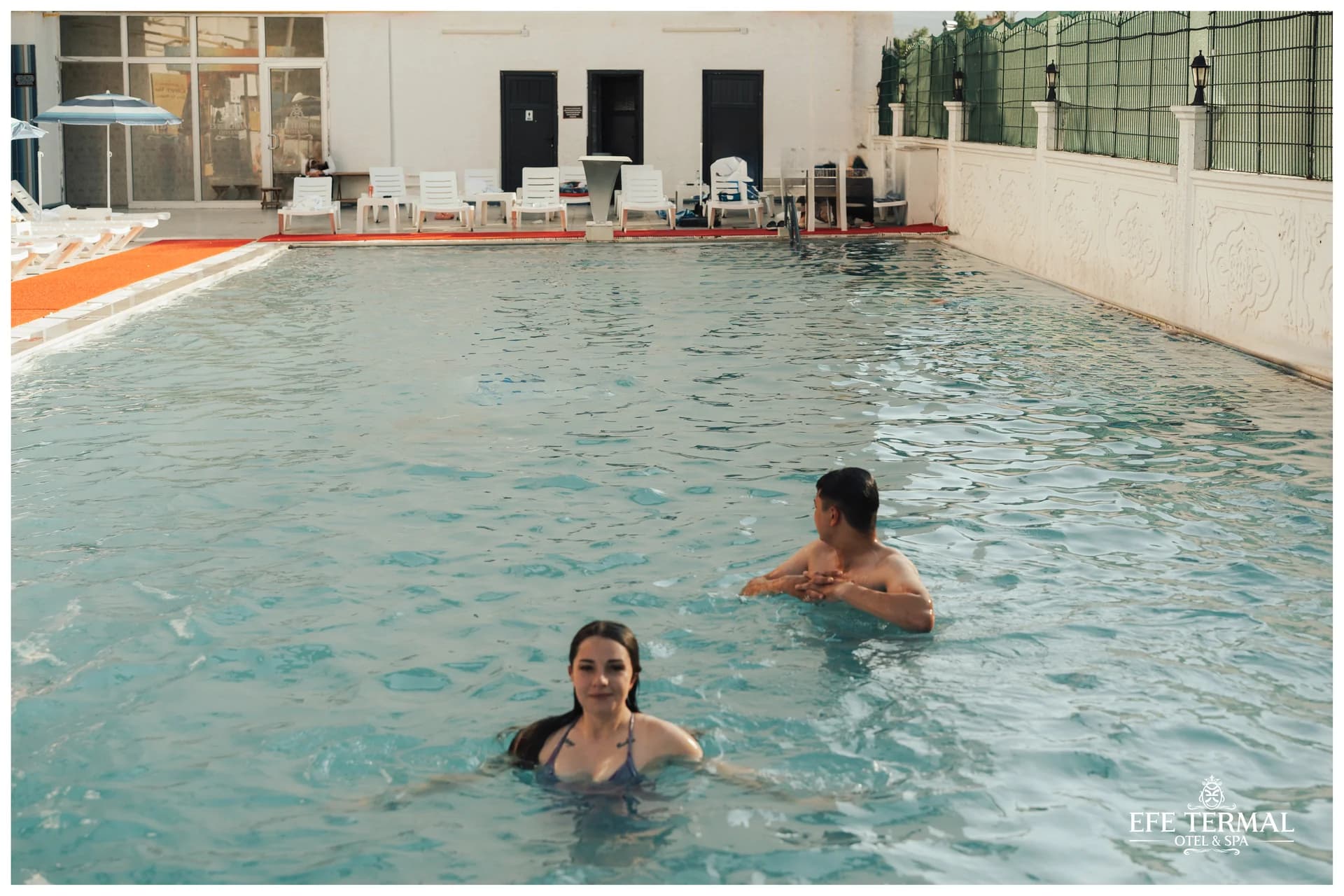
We want to answer this plainly, because the hotel you know from summer is not quite the one you will find in winter. The aquapark and the outdoor pool are closed during the winter months; the slides and outdoor areas operate only in the summer season. Everything that forms the heart of a thermal holiday, however, is open all year: the private thermal pool in your room, the shared indoor thermal pool, the traditional Turkish hammam, the sauna, the salt room and the Garra Rufa doctor-fish treatment. In our spa, therapists trained in the Far East offer Balinese, classic, anti-stress and aromatherapy massages in winter too; massage is charged separately from the stay and, as session times change daily, we recommend booking in advance. Stays are half board, so there is no need to go out for dinner at the end of a cold day.
Weekday Calm in Autumn
Once the school holidays end, the area becomes noticeably quieter. This stretch from September to the end of November is the most relaxed time of year for anyone seeking a thermal holiday away from the crowds. Weekdays are quieter still; on a Tuesday-to-Thursday stay the shared areas are empty and the reception and spa teams have more time for you. Autumn brings one further advantage: Kütahya's tile workshops, historic bazaar and the ancient city of Aizanoi are far more enjoyable to explore in the cool season. Thermal pool in the morning, a short trip into town in the afternoon, hot water again in the evening — that is the best rhythm for an autumn day in Yoncalı.
Seeing in the New Year at a Thermal Hotel
New Year's Eve is the busiest night of the year at thermal hotels and among the first dates to sell out. For couples and families who want to enter the new year in hot water, far from the noise of the city, Yoncalı is a natural choice. The programme and conditions for New Year's Eve are announced separately each year; for the latest details, please see our reservation page or call us. Our one piece of advice concerns timing: rooms for New Year and the mid-term school holiday fill up weeks in advance, so we recommend booking early. The January and February that follow are once again calm and relaxed.
An Offer for Longer Winter Stays
For guests who prefer a longer, cure-oriented stay in the winter months, our long-stay offer continues: on stays of 5 to 9 nights, 1 night is free (stay 5 pay 4, stay 6 pay 5, and so on), and on stays of 10 nights or more, 2 nights are free (stay 10 pay 8). The offer is valid until the end of 2026; the current conditions, and how the offer applies to your booking, are shown automatically on the reservation page once you select your dates. A 10% discount applies to bank-transfer and cash payments, and credit cards can be paid in 6 instalments at the cash price. One child aged 0-6 stays free. Check-in is at 14:00 and check-out at 12:00.
Can you take a thermal holiday in winter?
Yes — in fact autumn and winter are the traditional thermal season. The colder it gets, the greater the pleasure of hot water, and since muscle and joint complaints are felt more in this period, it is the best time for a thermal cure. At Efe Termal the private in-room thermal pool, indoor thermal pool, hammam, sauna and salt room are open all year.
Is the aquapark open in winter?
No. The aquapark and outdoor pool operate only in the summer season and are closed in the winter months. The private in-room thermal pool, shared indoor thermal pool, traditional Turkish hammam, sauna and salt room are open all year and included in your stay. The doctor-fish treatment is also open all year and charged separately.
Does it snow in Kütahya? Is a snow-view thermal holiday possible?
Kütahya does receive snow in winter; snowfall varies with the weather. Being in hot water while watching the snow from your in-room thermal pool is the most talked-about moment of a winter stay. If you are driving, we recommend winter tyres and checking the forecast.
When should I book a thermal hotel for New Year's Eve?
As early as possible. New Year and the mid-term school holiday are the busiest periods at thermal hotels and rooms fill up weeks in advance. The New Year's Eve programme and conditions are announced separately each year; please call us for the latest details.
How many nights should I stay in winter?
Because the effect of thermal water on muscles and joints becomes noticeable over several days, we recommend at least three nights. For cure-oriented guests, the long-stay offer applies from 5 nights: 1 night free on 5-9 nights, 2 nights free on 10 nights or more.
Is the hotel busy in autumn?
Once the school holidays end, September to November is noticeably quieter. Weekdays, especially Tuesday to Thursday, are the most relaxed time of year. Public holidays and weekends are comparatively busier.
Are there situations in which thermal water is not advisable?
Anyone with a cardiovascular condition, blood-pressure problems or a chronic illness, and anyone who is pregnant, should consult a doctor before using thermal water. Short sessions through the day are preferable to one long soak; avoid entering on a full stomach and drink plenty of water.